
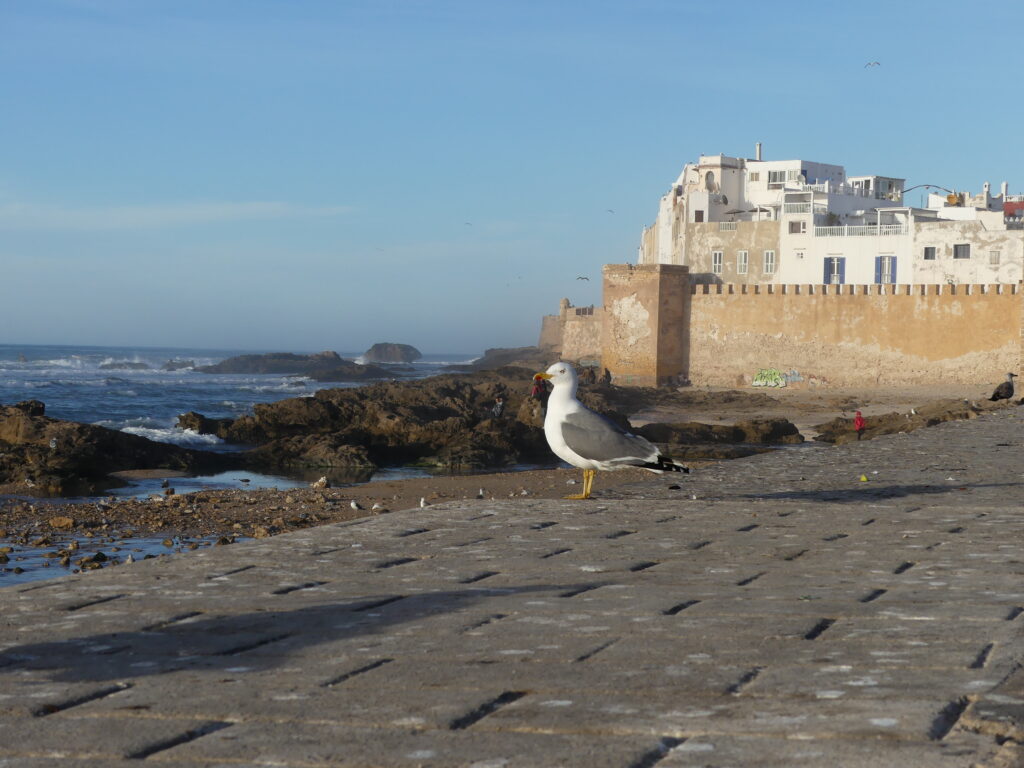
A Millennial Crossroads of Cultures and Confluences
Hello to all adventurers and history enthusiasts! Today, we’re setting sail for Essaouira, the Moroccan pearl that fascinates as much with its beauty as with its history. Formerly known as Mogador, this coastal city is much more than just a surfing spot or a beach destination; it’s a veritable palimpsest, a layering of cultures and influences that have shaped its unique soul. Buckle up, because this journey through time promises to be rich in discoveries!
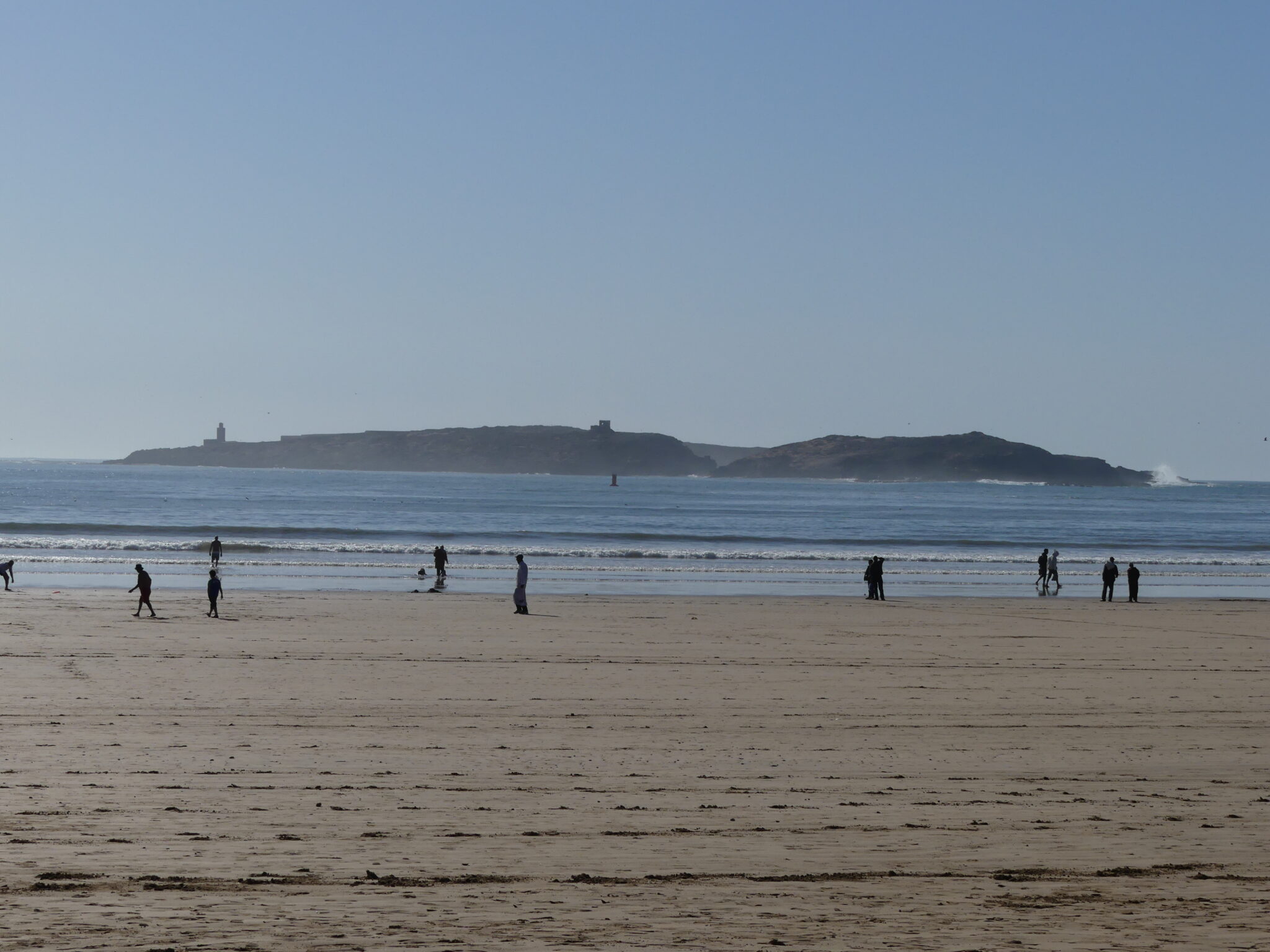
Mogador: Deep Roots in Antiquity
Essaouira’s history is a tale that goes back to the dawn of time. The Phoenicians, those audacious seafarers, were among the first to recognize the strategic potential of this place, establishing a thriving trading post as early as the 7th century BC. Imagine the lively exchanges of that era, ships loaded with goods from all corners of the known world!
The Romans, also aware of the importance of this location, continued to exploit it, renaming it 'Tamuda'. This Roman presence left vestiges, clues to the activity of that period.
In the Middle Ages, Mogador, then under the influence of Berber dynasties, continued to prosper. The port, already central to the city’s life, was a place of cultural and commercial exchange, with merchants coming from all over the region. The Almoravids and the Almohads, among other dynasties, left their mark on this strategic city.
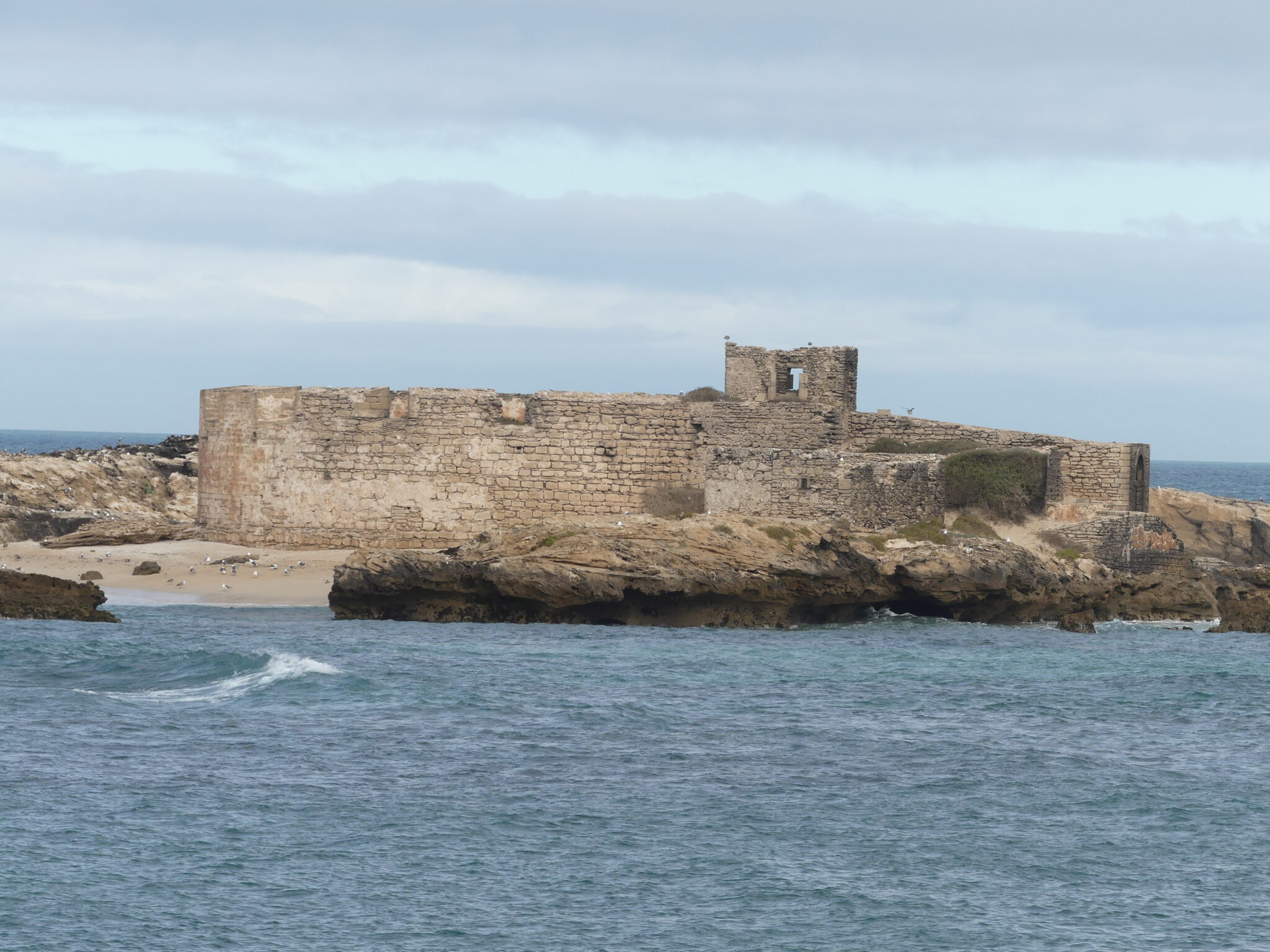
The Portuguese Saga: A Major Transformation
The 15th century marked a decisive turning point with the arrival of the Portuguese in 1506. They fortified the site, renaming it Mogador, and sought to make it an outpost of their maritime empire. They built a fortress there, the remnants of which are still visible today, and actively developed trade.
The port of Mogador became a major player in the triangular trade, connecting Europe, Africa, and the Americas. Spices, gold, and enslaved people passed through this port, leaving a profound mark on the city’s history.
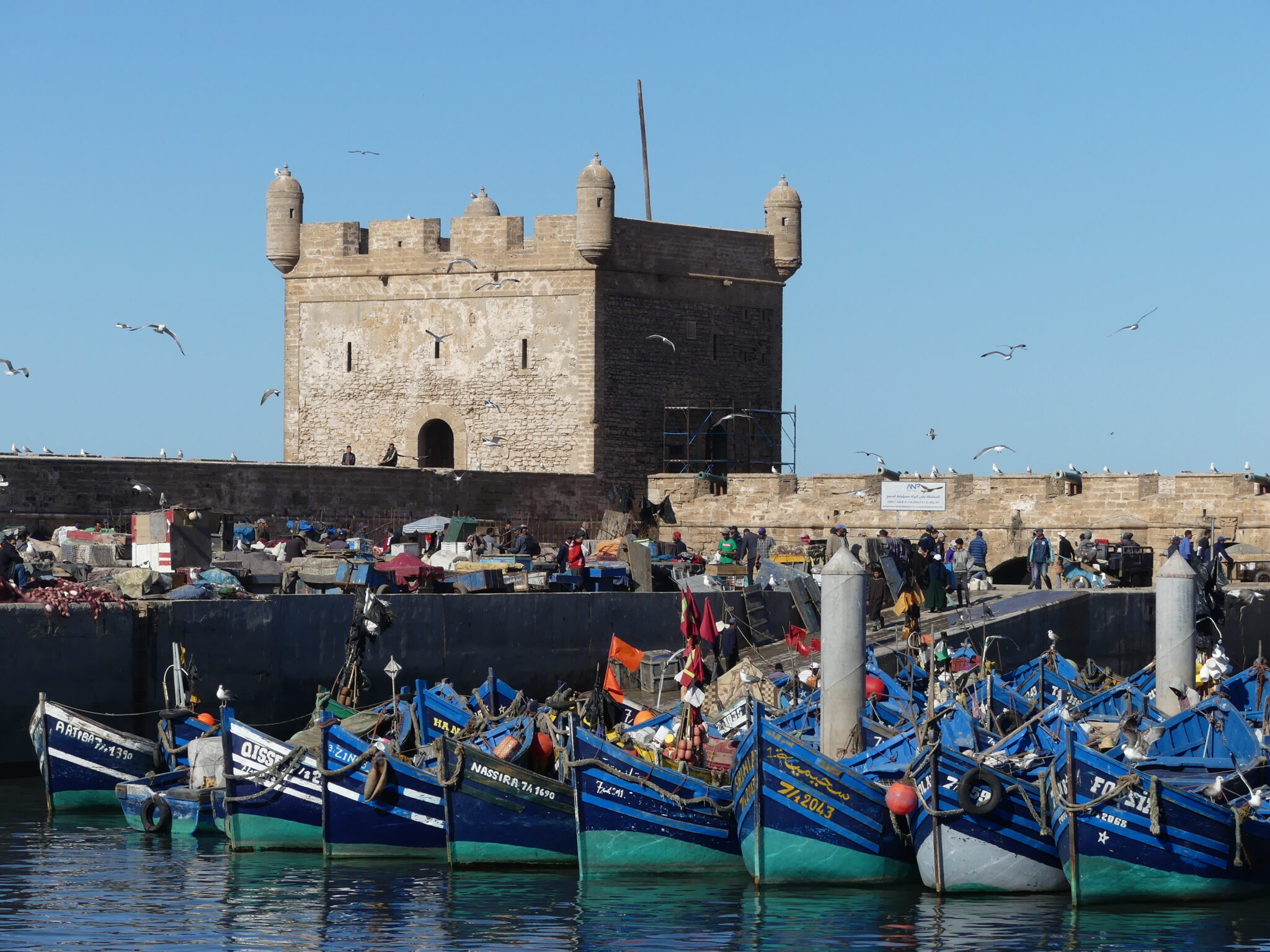
Sidi Mohammed Ben Abdallah: The Builder of Essaouira
It was in the 18th century that Essaouira underwent its most spectacular metamorphosis, thanks to the Alaouite Sultan Sidi Mohammed Ben Abdallah. Visionary and eager to make Essaouira a modern port and a leading commercial center, he called upon the French architect Théodore Cornut.
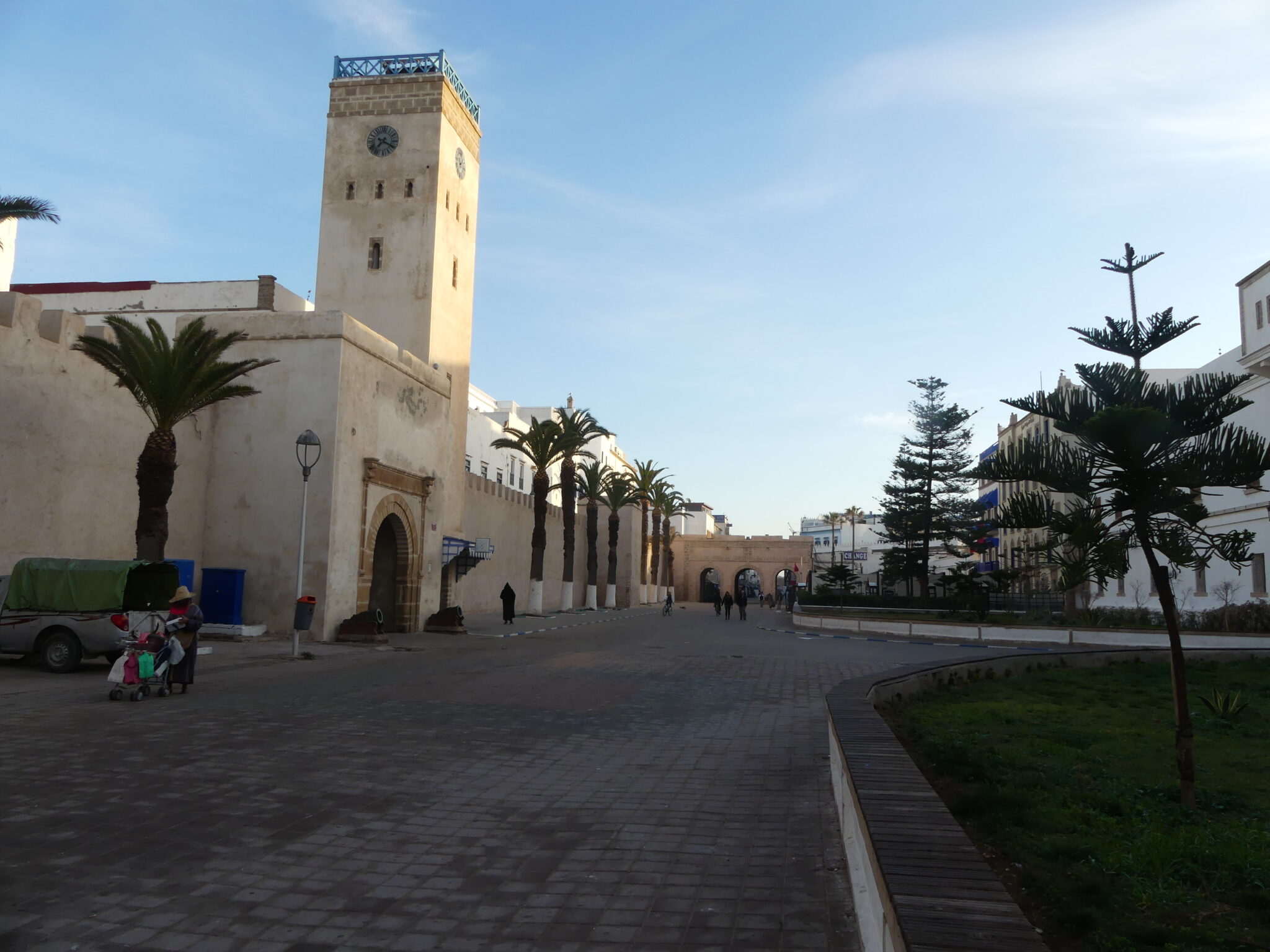
Cornut, influenced by European urban planning principles, drew up the plans for the new city, creating a characteristic grid plan and impressive fortifications. It was at this time that Mogador was renamed Essaouira, 'the well-designed', a name that reflects the harmony and rationality of its design.
Essaouira in the 20th and 21st Centuries: A Cultural Renaissance
The 20th century was a period of transition for Essaouira. Artists, musicians, and sea lovers flocked to Essaouira, attracted by its bohemian atmosphere and natural beauty. Famous figures like Orson Welles stayed there, inspired by the city’s unique light.
Today, Essaouira, a UNESCO World Heritage site, is a popular destination for its annual Gnaoua Festival and timeless serenity. Welcome to Riad Emotion to experience this living heritage!